Reference point
Open an old camphor-wood chest and smell inside.
Do this before you read on. An entry only works when you have just smelled the thing.
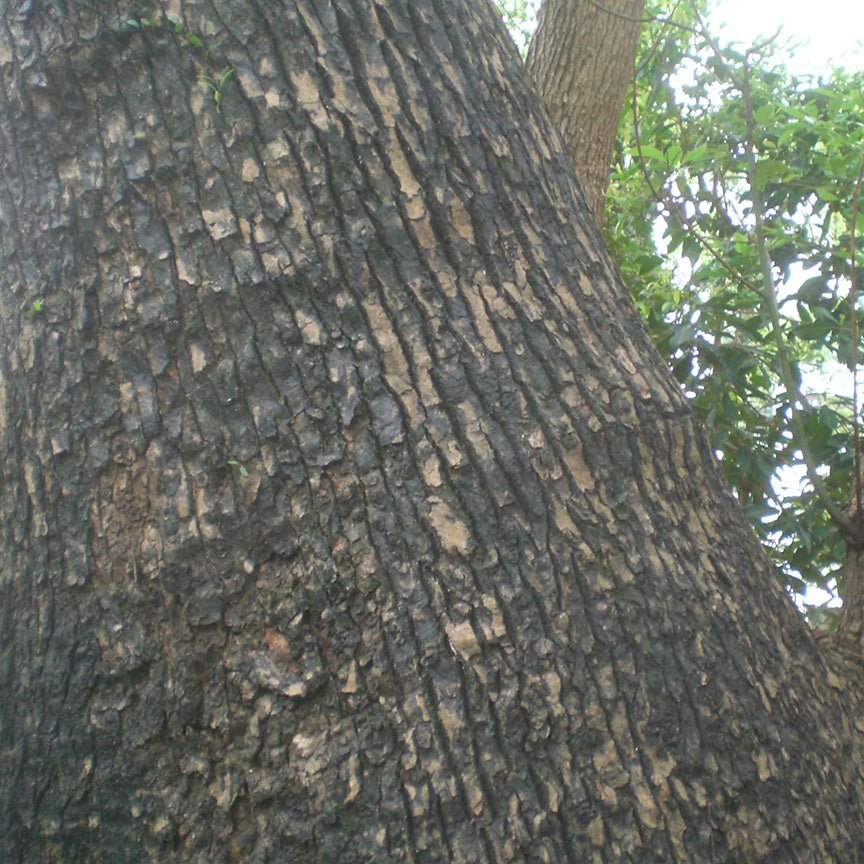
Cold, clean, with a clear medicinal note and a layer of dry wood underneath. It is wood, but it smells like medicine.
This entry sits between two families. The wood belongs to the woody-resinous family, the cold to the medicinal family, and both are right.
What stands out is that it does not fade. A hundred-year-old chest still smells, because the compound behind the smell lies in the grain of the wood itself rather than on its surface.
How to smell it
Open the chest, put your face inside and breathe deeply. Then smell a pure camphor block to compare — the pure block is sharp and plain; the wood has an extra base layer.
Why this one is hard
Because people know camphor from anti-moth blocks rather than from the tree. Calling it wood means separating the idea from the industrial product.
Don’t confuse with
This entry
Camphor wood
Woody & Resinous family
A camphor block is pure and sharp; camphor wood has an extra layer of dry wood as its base. The same compound, two settings.
Scientific note
The camphor tree stores camphor in its heartwood as a defence against insects. Camphor sublimes at room temperature — passing straight from solid to vapour — so it leaves the wood continuously but very slowly. That is why a block of the wood keeps its smell for centuries without running dry.
In Vietnamese life
Camphor-wood chests for clothes and documents belonged to well-off families of the past. In Hue and Hanoi an old camphor chest is still kept as an heirloom, and its smell goes with opening it to look for old papers.