Reference point
Fresh pine sawdust, just sawn.
Do this before you read on. An entry only works when you have just smelled the thing.
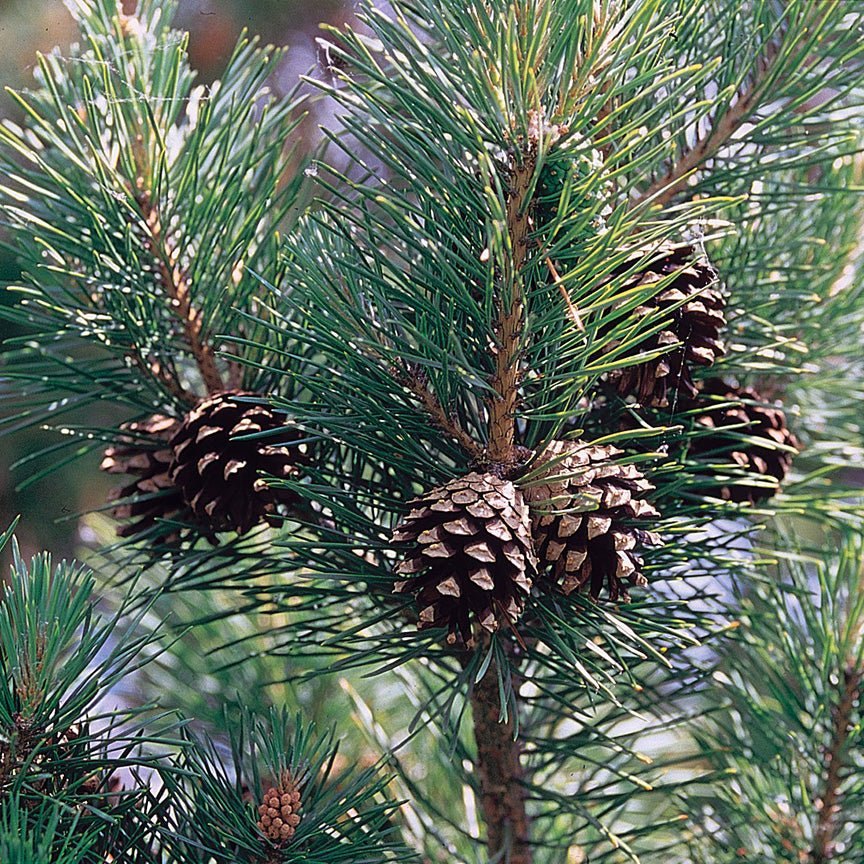
Dry, sharp, with a feeling of cold in the nasal cavity. It comes in fast and has no sweetness to hold it.
Less sweet than Canarium resin, with a clearer solvent note. The difference is not large but it is consistent, which makes this a good contrasting pair for practising distinctions within the woody-resinous family.
Because it forms the base of most cleaning products, many people file it as an industrial smell and find it unpleasant. It is the clearest example in the dictionary of context memory overriding the smell itself: the same molecule met in a forest is called a tree; met on a freshly mopped floor it is called a cleaner.
How to smell it
Take a handful of fresh pine sawdust from a sawmill and smell it at once. If there is none, snap a young pine twig and smell the break. Avoid practising with commercial pine oil, which is often diluted and already oxidised.
Why this one is hard
The prejudice about cleaning products is so strong that many people refuse to smell it carefully. The way past it is to smell in a neutral setting — a piece of wood on a table, not a bottle of floor cleaner.
Don’t confuse with
This entry
Pine wood
Woody & Resinous family
Canarium resin is sweet and zesty at the start; pine wood is dry, sharp and leans towards solvent.
This entry
Pine wood
Woody & Resinous family
Jackfruit wood is warm, sweet and milky; pine is dry, cold, edged and has a solvent note.
Scientific note
Pine resin flows when the bark is cut, and it has two parts: the volatile part is monoterpenes such as alpha-pinene; the non-volatile part is resin acids. Distillation separates the two — the volatile part becomes pine oil, the rest sets into rosin. One raw material, two products, both industrial commodities.
In Vietnamese life
Merkus pine is grown in Quang Ninh, Nghe An and Lam Dong mainly for its resin, which is distilled into pine oil and colophony. It is one of the few domestic aromatic supply chains in Vietnam operating at a truly industrial scale.