Reference point
A piece of sandalwood, rubbed on sandpaper, the dust smelled.
Do this before you read on. An entry only works when you have just smelled the thing.
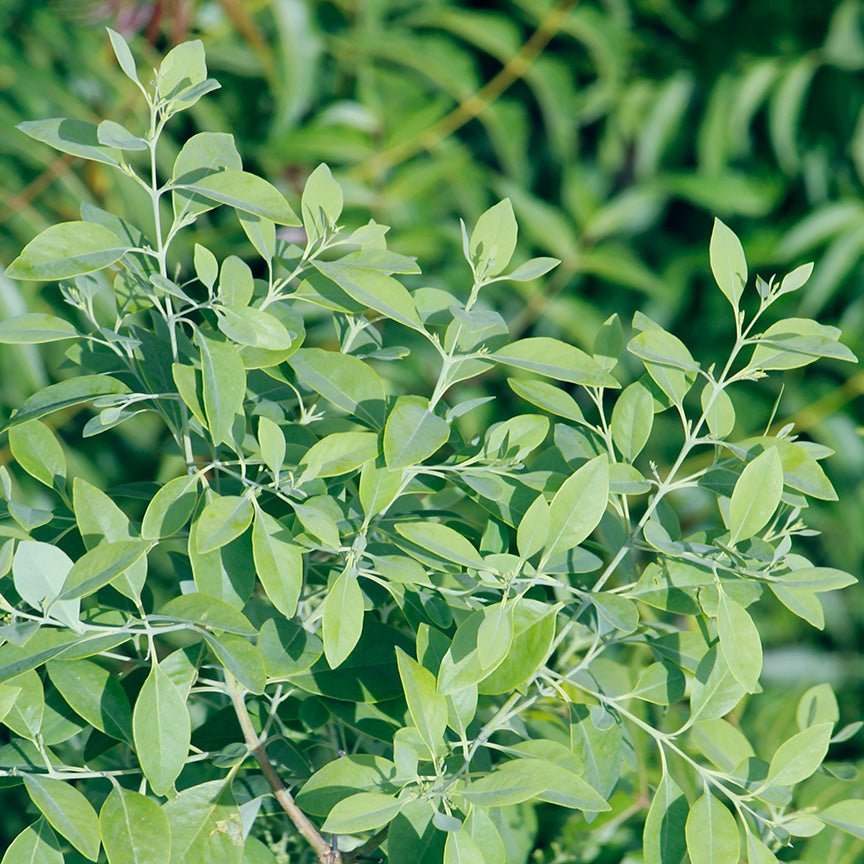
Creamy, sweet, warm, with a milky note and a layer of soft wood. No edges and no smoke.
This is the fragrant wood most often mentioned in the religious history of Asia, and also the most thoroughly depleted. Indian sandalwood is now almost unavailable for legal export; most of what is on the market is Australian sandalwood or fragrance-soaked wood.
It differs from agarwood in that the smell lies in the heartwood rather than in a pathological resin. A healthy sandalwood tree still gives fragrant wood; a healthy Aquilaria tree gives no agarwood.
How to smell it
Rub a piece of sandalwood on fine sandpaper and smell the dust that falls. Don’t burn it — burning removes the creaminess and leaves only smoke. Compare with jackfruit wood to see how two warm woods differ.
Why this one is hard
Because the share of fakes is very high. If your sample gives a harsh, unusually uniform sweetness, it is very probably ordinary wood soaked in fragrance.
Don’t confuse with
This entry
Sandalwood
Woody & Resinous family
Sandalwood has a clear creamy, milky note; jackfruit wood is warmer and sweeter but lacks the cream.
Scientific note
Sandalwood accumulates santalol in its heartwood, and the process takes decades. Young trees have almost none. So the value of sandalwood is bound tightly to the age of the tree, and there is no way to shorten it — one of the few raw materials where time, not labour, is the largest cost.
In Vietnamese life
Sandalwood has been part of Buddhist and Hindu ritual for thousands of years. In Vietnam it appears mostly as incense sticks and prayer beads, and is almost always imported.